
Drains require fall! American Plumbing, LMP #556
Terry Smith • October 3, 2023
Drains require fall! American Plumbing, LMP #556
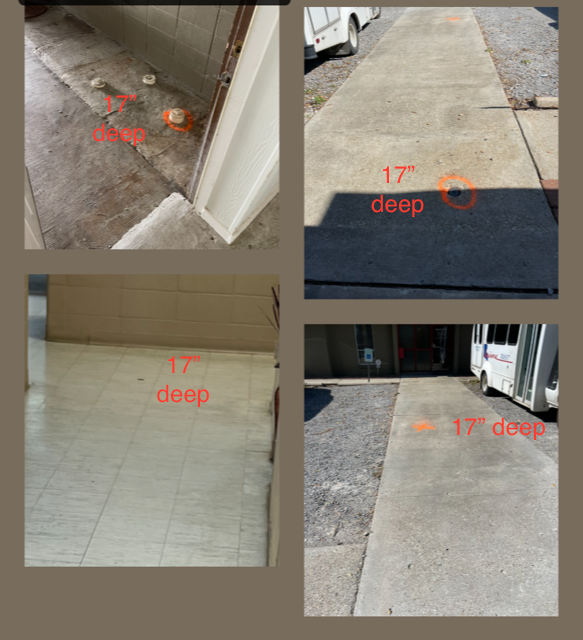
Our customer called saying that she was being told her main drain line was stopping up due to bellies in the line. Our video inspection showed her drain line did not have any measurable bellies but, that her drain line had no fall. The entire 90' drain line was only 17" deep throughout. There should be at least a 12" difference in depth from the initial inside cleanout to the outside marking.
#slableak / #videopipeinspection / #backflowtesting / #AllLivesMatter / #onlycountlegalvotes /#TruthSocial / #@tjoetheplumber / #Drainsrequirefall
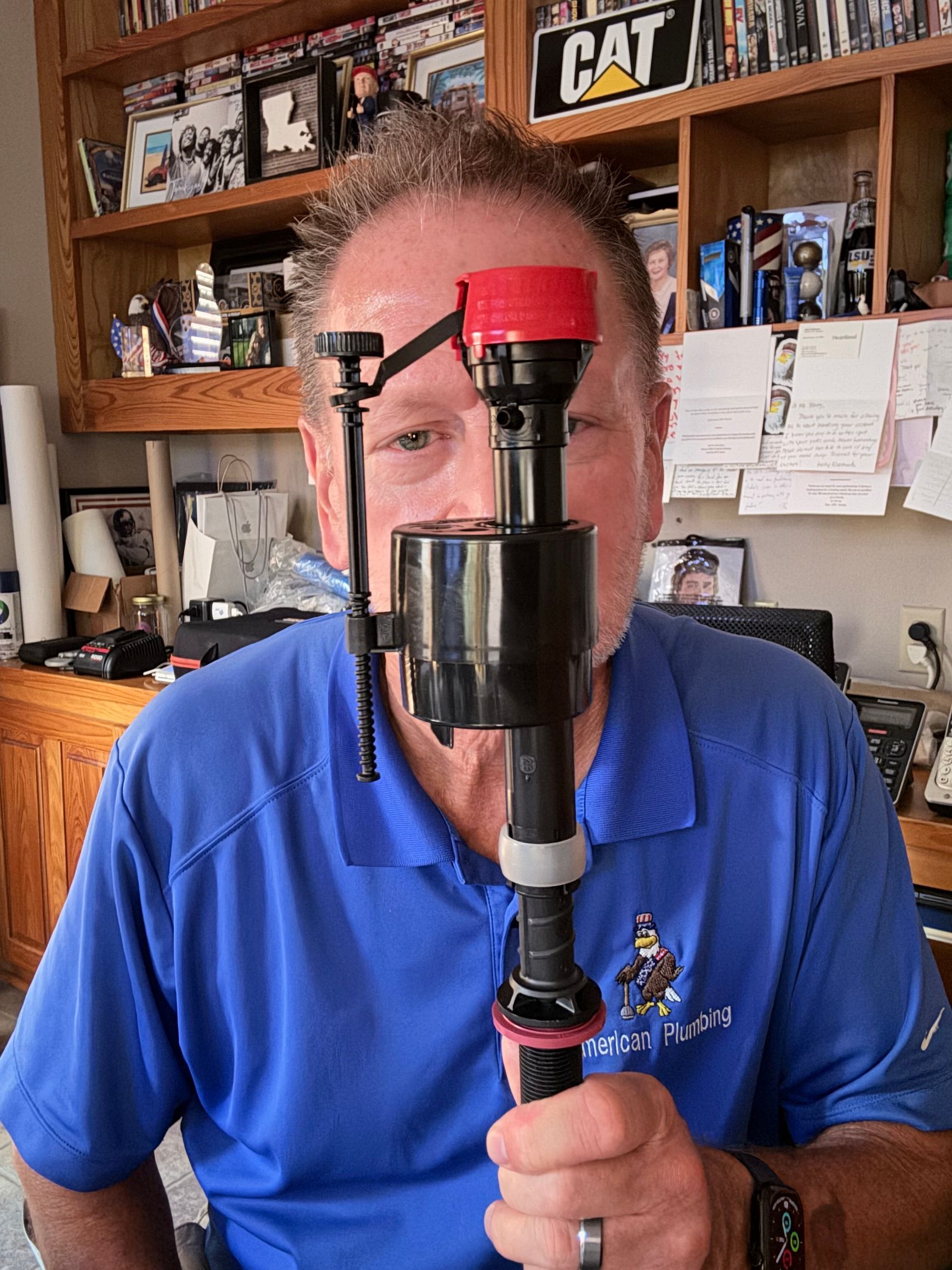
That little knob on top of your Fluidmaster fill valve is NOT a water adjustment knob! 😂

🚽 Let’s Talk American Standard Toilets! 🇺🇸
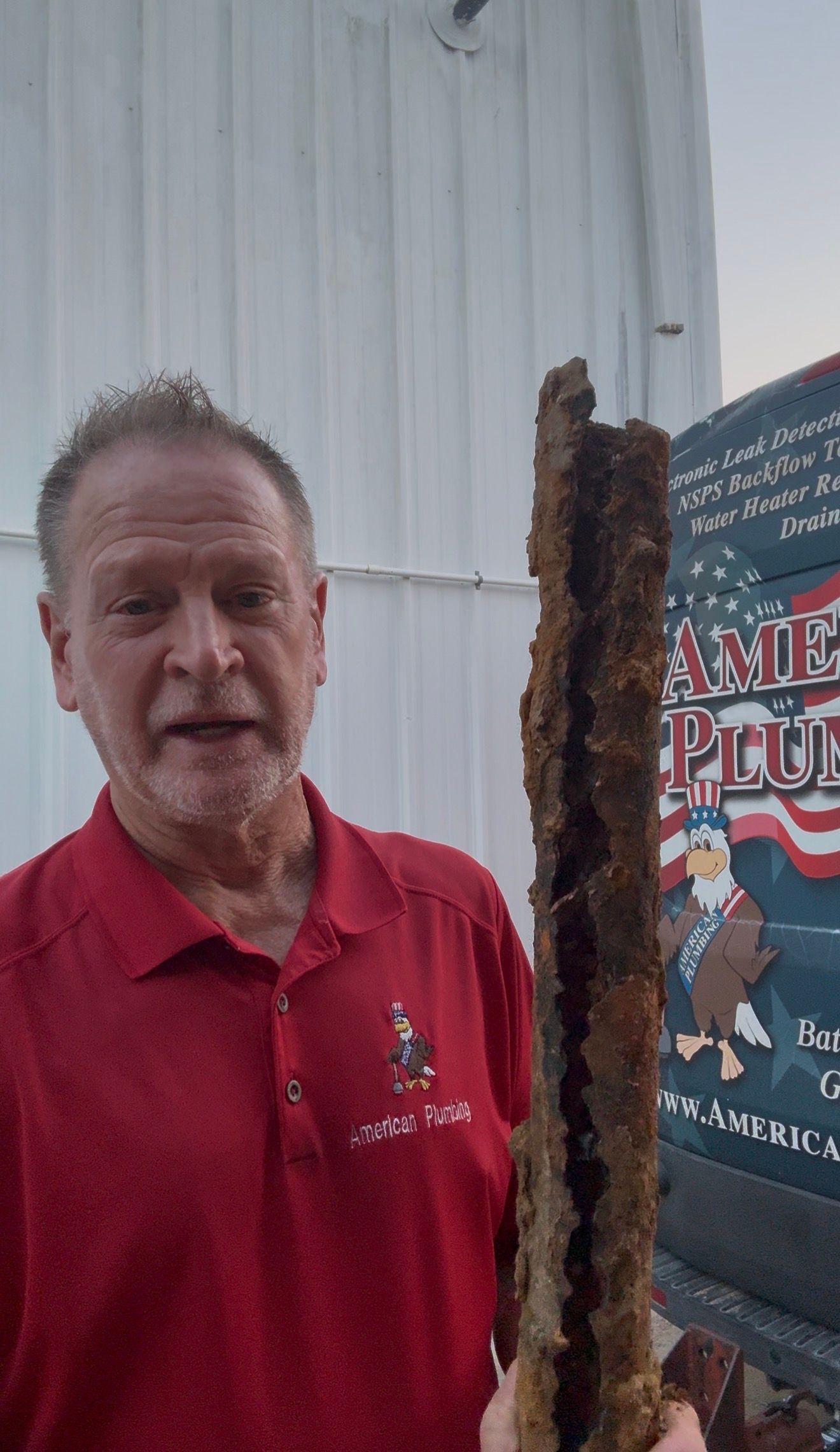
Sometimes what’s hiding under the slab is scarier than what’s crawling around in the attic!
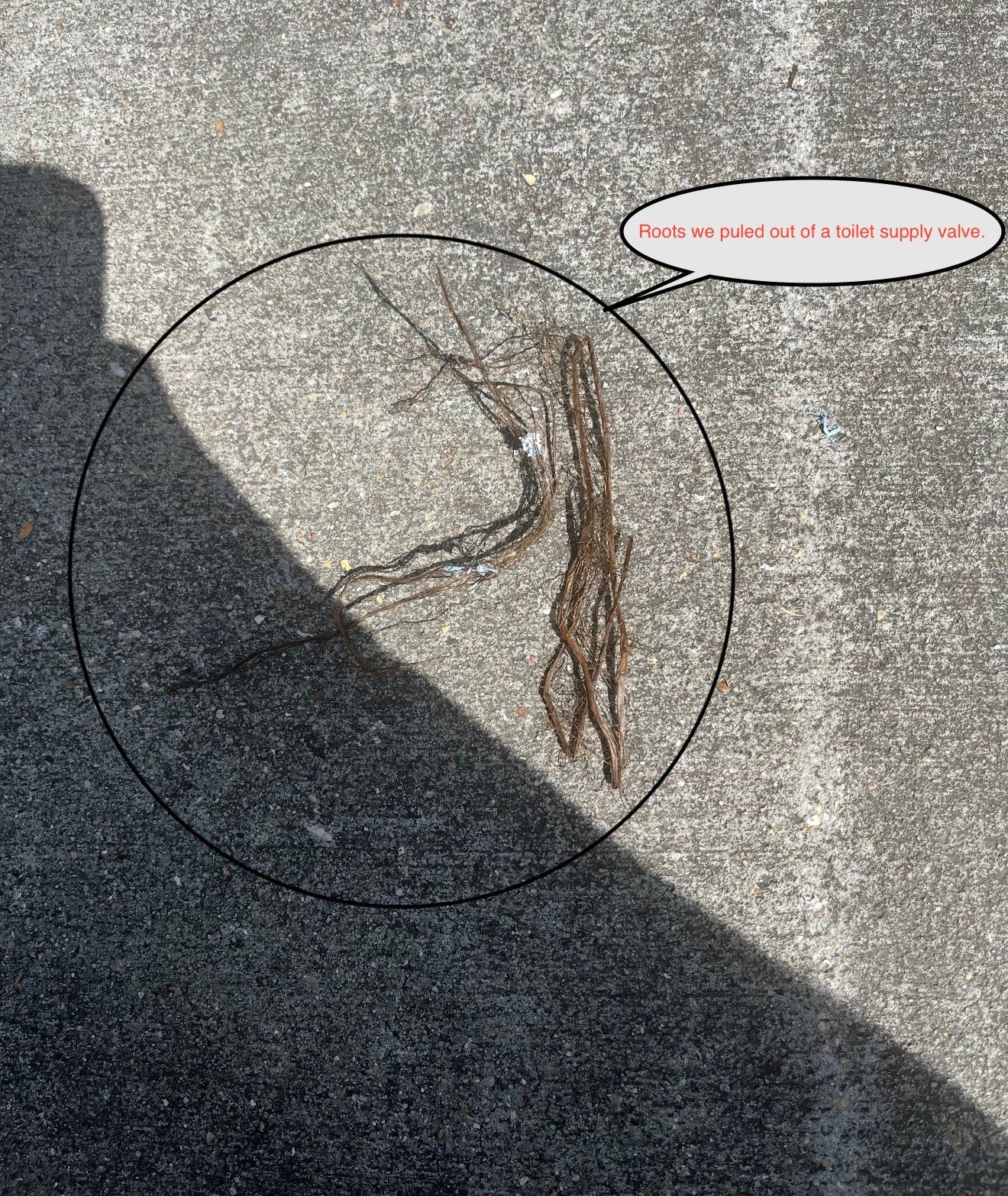
How did roots get into this toilet supply line?
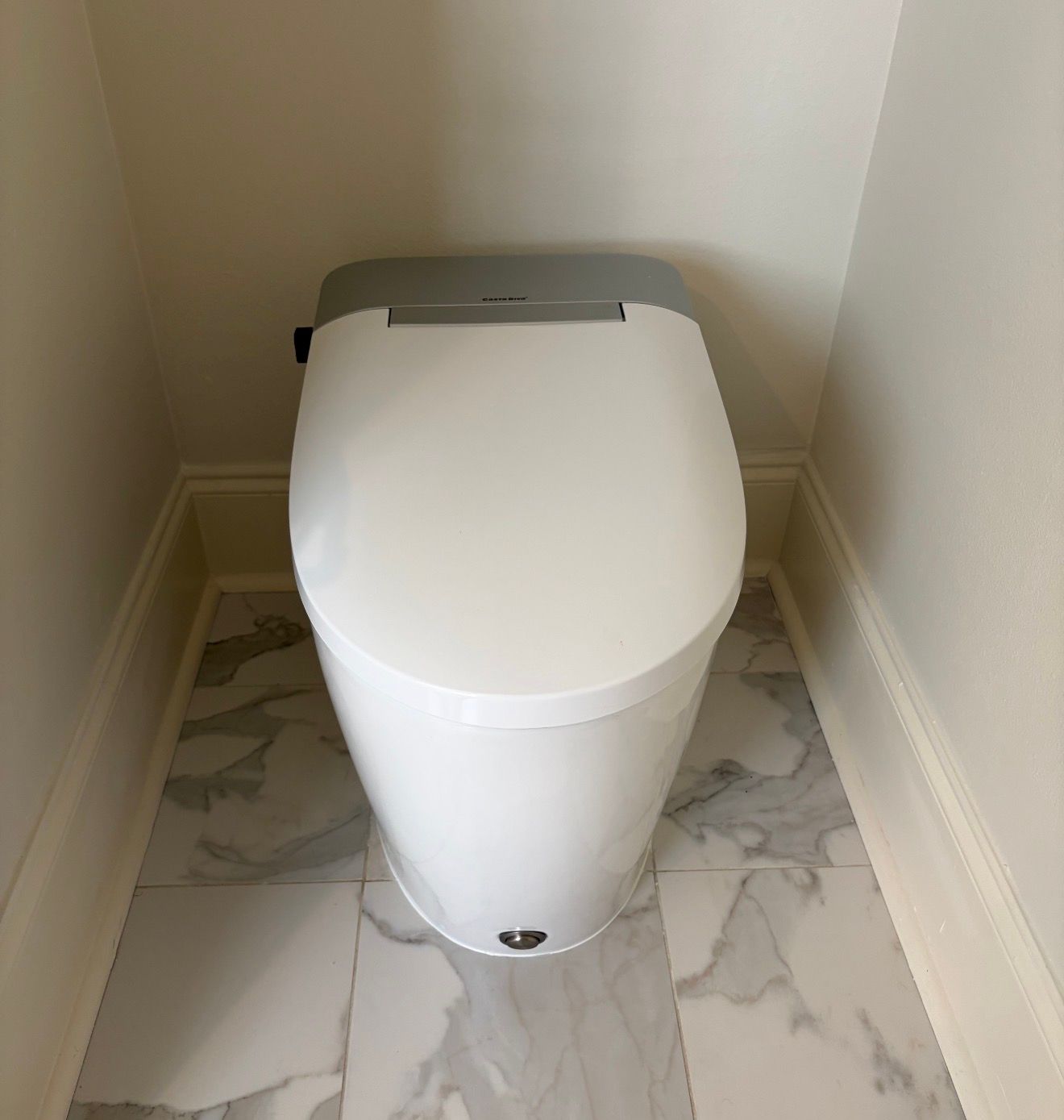
Are Casta Diva smart toilets a good option compared to Toto smart toilets?
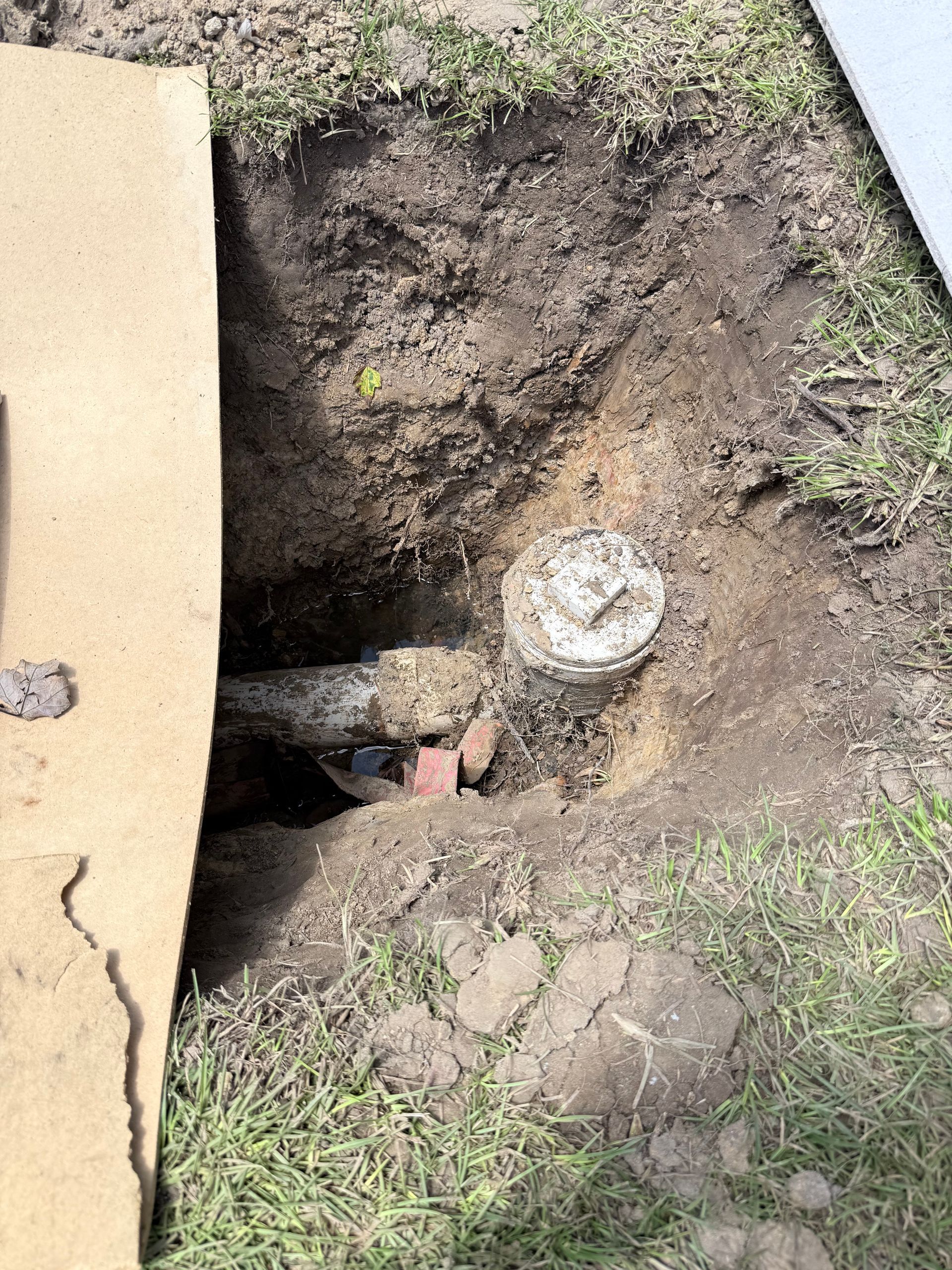
Checking out a broken 6” sewer tap for repair.
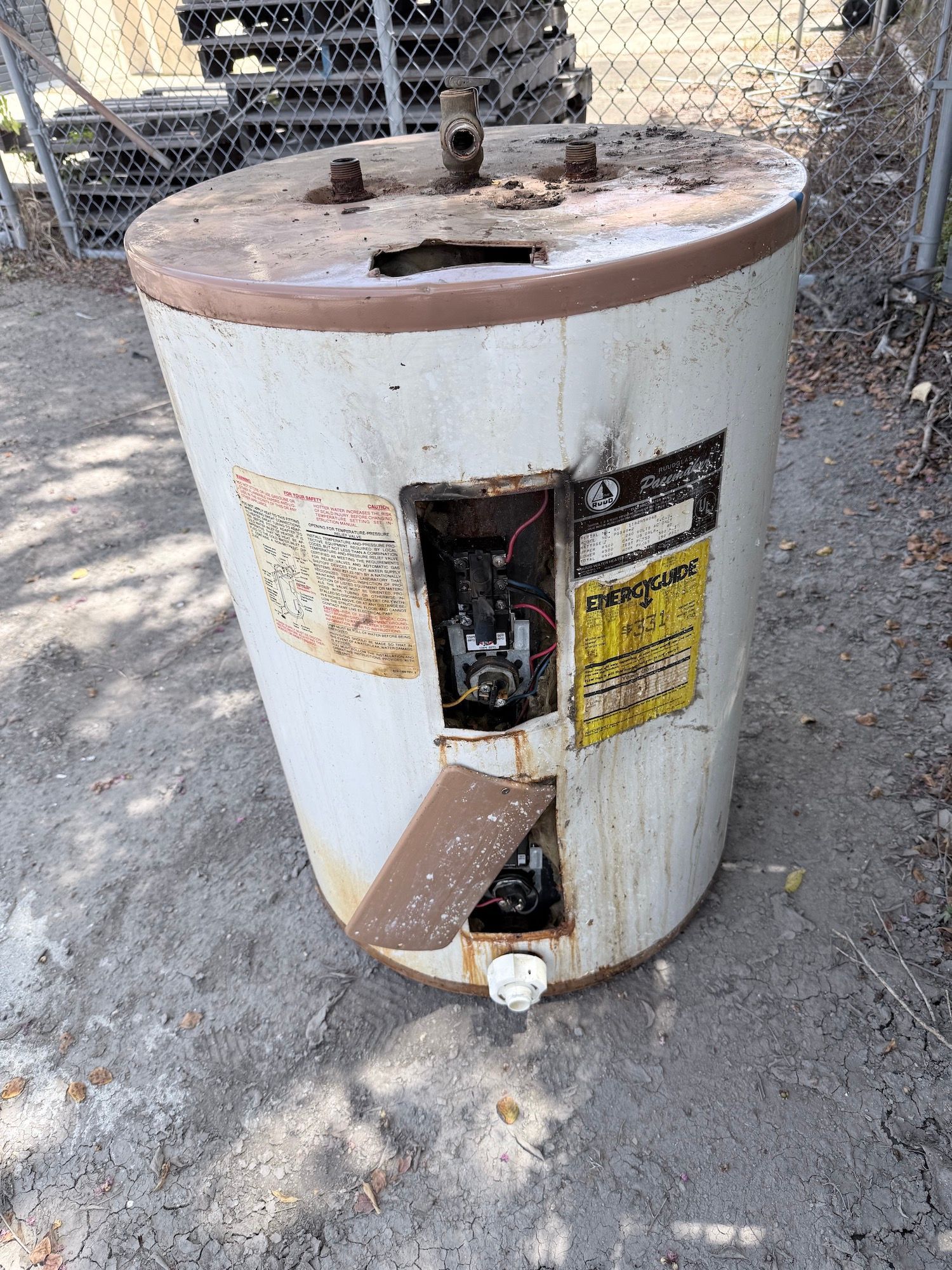
There are some things in life you can fix with duct tape, determination, and a YouTube video. A busted water heater usually ain’t one of them! 😂

Plumbing supply showroom vs. Amazon!

If we say you need a video pipe inspection, you need a video pipe inspection!
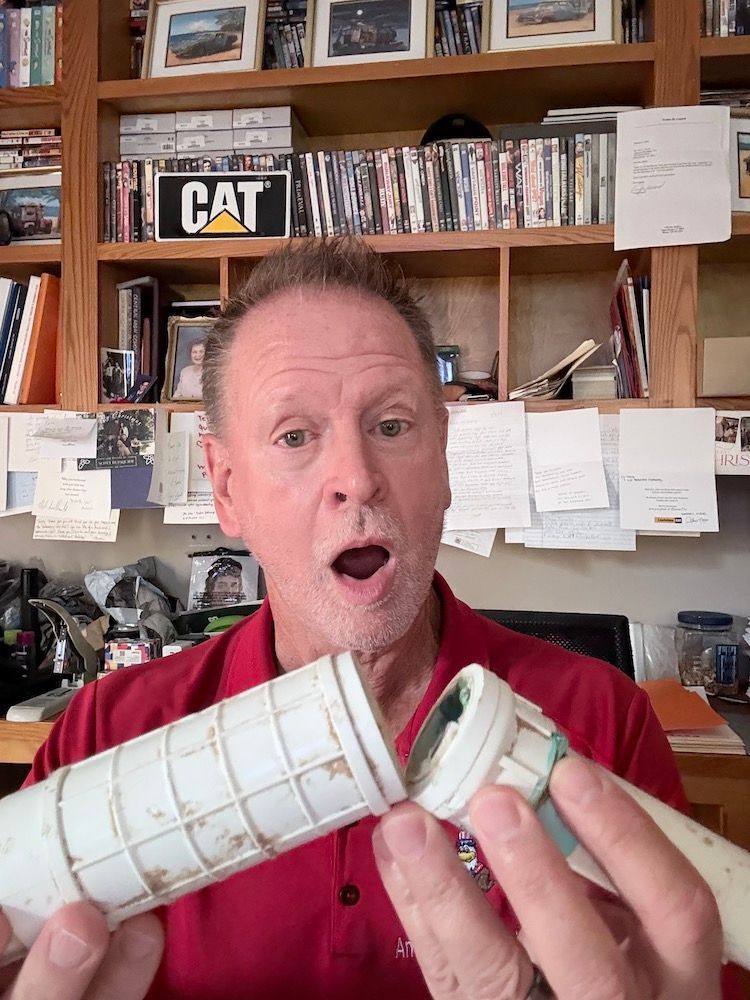
Expandable PVC repair couplings will snap and break!